Resale flat renovation checks a BTO does not need
Resale flats need checks a BTO does not: past alterations, waterproofing, loading, windows. What a resale renovation package covers and excludes.
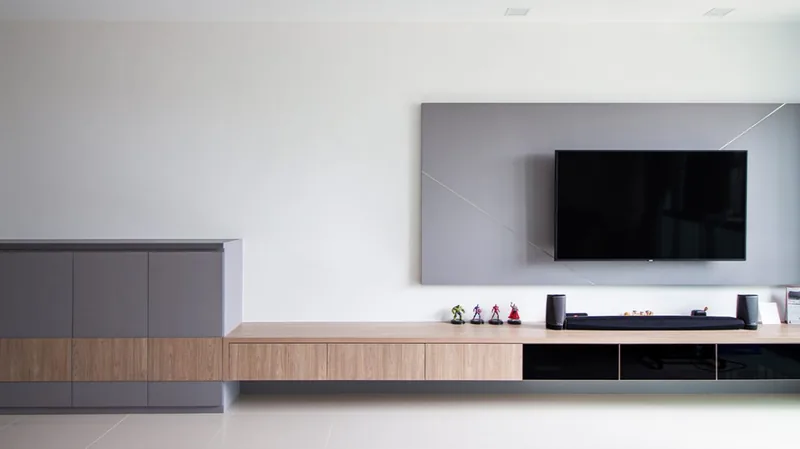
A resale flat renovation in Singapore begins with removal and inspection rather than installation, because the flat carries a previous household's tiles, wiring, carpentry and waterproofing, and their condition is unknown until work starts. The checks a resale needs that a BTO does not are comparing the flat against its original floor plan for undocumented alterations, testing the wet areas, confirming the electrical loading provision, and scoping window works as a separately licensed package — HDB requires all window works to be done by BCA-approved window contractors (https://www.hdb.gov.sg/managing-my-home/renovation-and-maintenance/renovation/renovation-guidelines). An HDB resale renovation package usually prices the predictable items and excludes exactly those findings, which is why the exclusion list matters more than the headline figure.
- What a resale flat renovation includes that a BTO does not
- The checks a resale flat needs before the scope is written
- Who carries the previous owner's renovation decisions
- What an HDB resale renovation package includes, and what it leaves out
- Why the BTO three-year toilet rule does not apply to your resale
- Payment terms and verification on a resale job
- The rule, in the regulator's own words
What a resale flat renovation includes that a BTO does not
A resale flat renovation in Singapore starts with removal, not with installation. A BTO flat arrives as a finished blank shell, so the first trade on site is usually one that adds something; a resale flat arrives carrying a previous household's decisions — their tiles, their carpentry, their wiring routes, their bathroom layout, their air-conditioner brackets — and much of the early programme is spent taking those out, disposing of them, and finding out what is behind them.
Age-related condition is the second difference between a resale and a BTO renovation, and it is invisible in photographs and decisive in a quotation. Waterproofing membranes, concealed pipework, window fittings, the distribution board and the ceiling under a neighbour's bathroom all have service lives, and in a resale flat some of them are near the end of theirs. A renovation scope written before anyone has looked at those items is a guess that gets corrected by variation orders later.
The third difference in a resale flat renovation is that no builder's defect scheme stands behind the flat. HDB operates a 1-year Defects Liability Period for new flats, during which owners can submit a rectification request online or at the Building Service Centre in their precinct, and after that period owners engage a repair contractor themselves (HDB — rectification of defects in new flats). A resale buyer has no equivalent HDB backstop, so the quality of the pre-works inspection is the only defect protection that exists.
The checks a resale flat needs before the scope is written
Compare the flat against its original floor plan. Walls that are not on the plan, a bathroom that has grown, a bay window that has become a platform, or a service yard that has been enclosed all indicate works done by a previous owner, and each one should be confirmed as permitted before you build on top of it. HDB states that "before you plan to hack down or alter any walls in your flat, you need to obtain a permit from HDB" in its renovation guide at mynicehome.gov.sg — which is exactly the rule an undocumented past alteration may have bypassed.
Test the wet areas rather than looking at them. A resale bathroom can appear sound and still have a failed membrane under the tiles, and the symptom shows up in the ceiling of the unit below rather than in your own flat. Where a resale bathroom is being kept rather than stripped, the honest position is that no contractor can warrant a waterproofing layer they did not lay and cannot see — a fact worth writing into the contract rather than discovering months into occupation.
Check the electrical provision before the design commits to appliances. HDB states that "flats without higher electrical loading will require an HDB permit to install new 15amps power points for air-conditioners or other higher capacity equipment/appliances" (HDB electrical works guidelines), and older resale flats are the ones most likely to need it. Ask for a separate full-rewiring quote for a 4-room resale flat.
Treat windows as a licensing item, not a cosmetic one. HDB states that all window works must be done by Building and Construction Authority (BCA) approved window contractors (HDB renovation guidelines), and HDB's renovation guide adds that any air-conditioners must be installed by a BCA-trained air-conditioner installer (mynicehome.gov.sg). In an older resale flat, that is a separately scoped and separately licensed package rather than a line inside "general works".
Look at the ceiling in every room. Stains, blistered paint or hairline patterns on a resale ceiling point to either a neighbour's waterproofing or the concrete's condition, and both need diagnosis before a false ceiling goes over them. Closing a ceiling over an unexplained stain converts a visible problem into a hidden one that costs more to reach later.
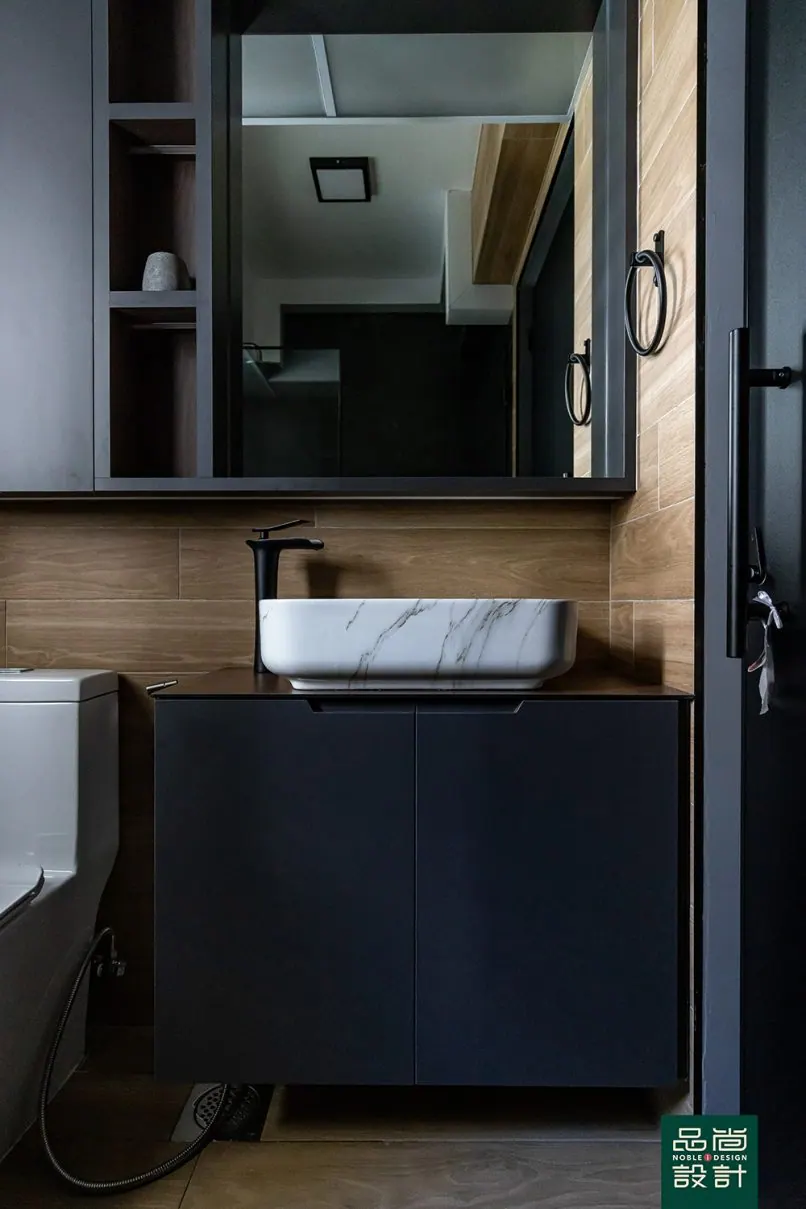
Who carries the previous owner's renovation decisions
Responsibility for what is in the flat sits with whoever owns the flat. HDB states that "you are responsible for the renovations in your flat and have to ensure that your contractor carries out all works in line with HDB guidelines", and that "the Housing & Development (Renovation Control) Rules 2006 require that you only engage contractors from the Directory of Renovation Contractors to carry out renovations in your flat" (HDB — important information on renovations). Read alongside the resale purchase process, that is the practical reason to inspect before committing rather than after.
Where a past alteration looks questionable, the authority to ask is HDB, not the firm quoting for your renovation. A contractor can tell you what is observable on site and what would normally require a permit; only HDB can confirm the status of an existing work in a specific flat. Anyone answering "it's fine, everyone does it" is answering a question they have no standing to answer.
What an HDB resale renovation package includes, and what it leaves out
The phrase "hdb resale renovation package" in Singapore usually describes a bundle of predictable items: hacking of existing floor and bathroom tiles, supply and laying of new finishes, a defined set of carpentry, a defined number of electrical points, painting throughout, and general items such as protection, disposal and final cleaning. A bundle is useful for comparing firms only when the quantities inside it are written down, because a package with unstated running feet of carpentry and an unstated point count is a headline rather than a scope.
Packages typically exclude the items a resale flat is most likely to need, and the exclusions are where budgets break. Rewiring beyond the stated point count, window replacement by a BCA-approved contractor, pipe replacement, structural repairs, air-conditioner supply and installation, and any making-good arising from what is found behind the old tiles commonly sit outside the package price. Ask for the exclusion list in writing and price the likely ones as provisional sums: S$1,950.
Two resale packages at different prices usually differ in three places: wet-area depth (cosmetic refresh versus strip-to-screed with new waterproofing), carpentry internals (carcass material, hardware, whether soft-close and drawer systems are included), and who owns making-good after demolition. Settle those three before comparing any figures.
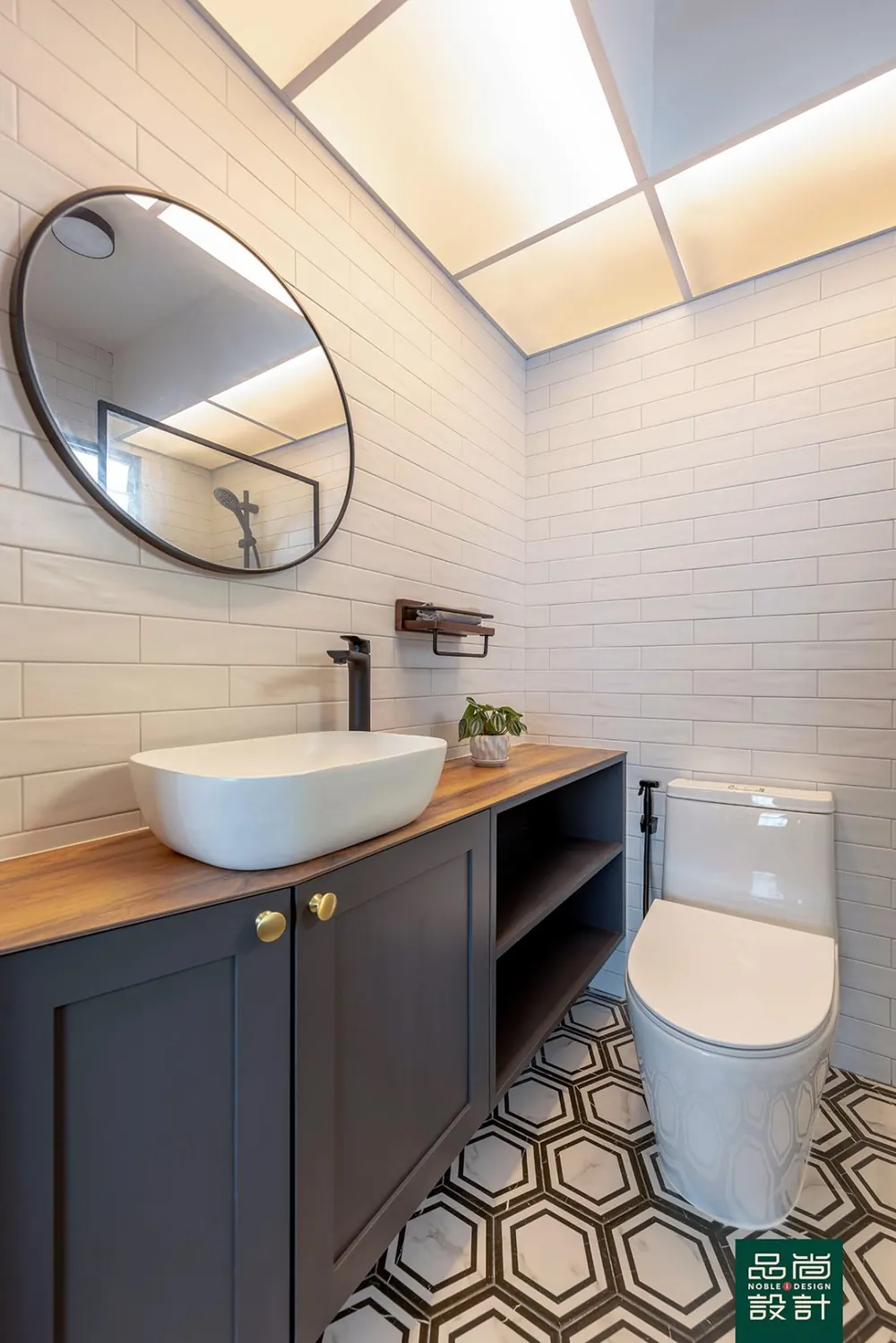
Why the BTO three-year toilet rule does not apply to your resale
HDB requires owners of newly built BTO flats to wait 3 years before removing any wall or floor finishes in the toilets (HDB renovation guide), which is why BTO owners with dated bathroom tiles are limited to paint, fittings and lighting in their early years. A resale flat is not a newly built BTO flat, so the bathrooms are often the first place a resale renovation can make a visible difference. What applies instead is a permit requirement: HDB requires a permit to remove existing floor finishes and replace them, and to raise the level of the floors in the kitchen, balcony, bathroom or toilet (HDB renovation guide).
Repainting is one place where a 2026 rule change works in a resale buyer's favour. From 1 January 2026 the National Environment Agency requires interior paints sold in Singapore to contain no formaldehyde, with in-can content below 0.01% weight by weight (NEA). The rule covers interior paint and does not regulate adhesives used in composite wood or carpentry, so a resale renovation that also builds a flat's worth of new joinery should specify board grade as its own line rather than assume the paint rule covers it.
Payment terms and verification on a resale job
Deposit exposure is the risk that has actually cost Singapore homeowners money. CASE received 787 complaints against renovation contractors in 2025, down 18.2% from 962 in 2024, while renovation prepayment losses fell 73.8% to S$190,667 and remained the second highest of any industry (CASE media release, February 2026). CASE also reported that approximately 97% of the 962 renovation complaints it received in 2024 were against non-CaseTrust-accredited contractors (CASE media release, February 2025).
CaseTrust accreditation converts part of that deposit risk into contract terms a homeowner can hold someone. CaseTrust caps the initial deposit at a maximum of 20% of total contract cost, requires a workmanship warranty of 12 months from the completion date of the works, and requires accredited businesses to purchase a deposit performance bond safeguarding deposits against closure, winding up and liquidation (CaseTrust accreditation for renovation businesses). Noble Interior Design Pte. Ltd. is listed in HDB's Directory of Renovation Contractors (DRC Ref: HB-12-5230A, UEN 201722629H) and is CaseTrust-accredited.
Verify the listing yourself instead of trusting a logo. Under the Housing and Development (Renovation Control) Rules, an HDB flat owner must engage a contractor listed in HDB's Directory of Renovation Contractors, and contravention is an offence carrying a fine not exceeding S$5,000 (Singapore Statutes Online); HDB states that a contractor will be delisted from the Directory if it receives a total of at least 24 demerit points within 24 months (HDB — Directory of Renovation Contractors); and the Directory is published as an open dataset searchable by name or UEN on data.gov.sg. One caveat matters more on a resale job than anywhere else: HDB states that it "does not endorse nor guarantee the quality of their works" and that engaging a listed contractor "is a private contract between you and the contractors, and HDB is not privy to it" (HDB), so a renovation firm advertising an endorsement, approval or certification of its workmanship by HDB is claiming a status HDB says it does not give.
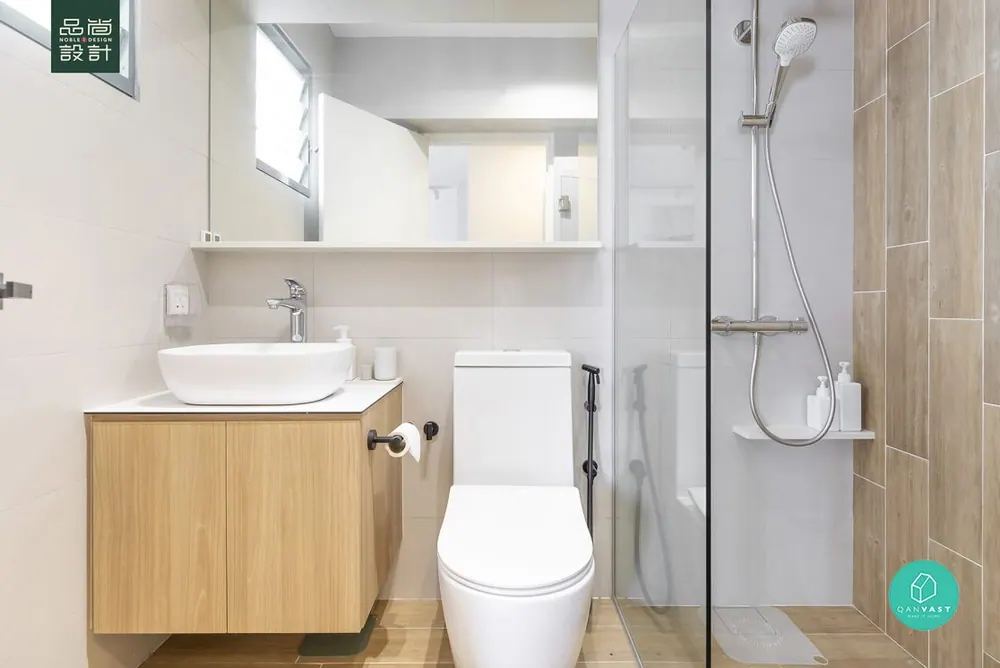
The rule, in the regulator's own words
For a newly built BTO flat, HDB requires owners to wait three years before removing wall or floor finishes in the toilets.
— HDB, via MyNiceHome
The text above is quoted from MyNiceHome — HDB renovation guide; the link goes to the primary source so it can be checked rather than taken on trust.
- HDB — Rectification of defects in new flats (1-year DLP)
- HDB renovation guide (MyNiceHome)
- HDB — Important information on renovations
- HDB — Renovation guidelines (window works)
- HDB — Renovation guidelines: electrical works
- NEA — No formaldehyde in interior paints from 1 January 2026
- CASE media release, February 2026 (2025 complaint and prepayment figures)
- CASE media release, February 2025 (2024 complaint figures)
- CASE — CaseTrust accreditation for renovation businesses
- Housing and Development (Renovation Control) Rules, Singapore Statutes Online
- HDB — Directory of Renovation Contractors
- HDB — Directory of Renovation Contractors (open dataset, data.gov.sg)
- HDB — Looking for renovation contractors
Tell us the flat and when you get the keys.
You will get a written quotation with every line spelled out. Take it and compare it with anyone.
Get a quote